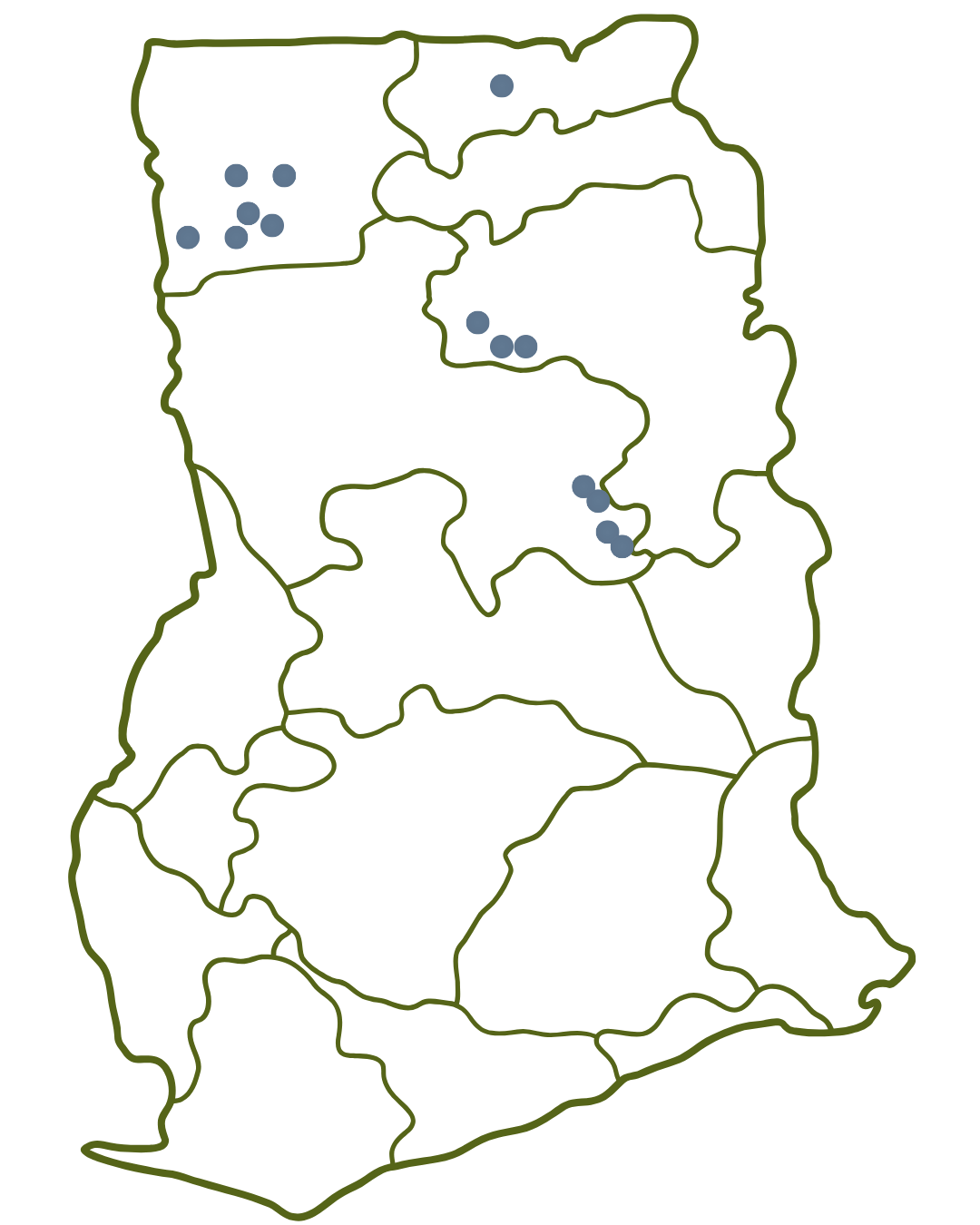
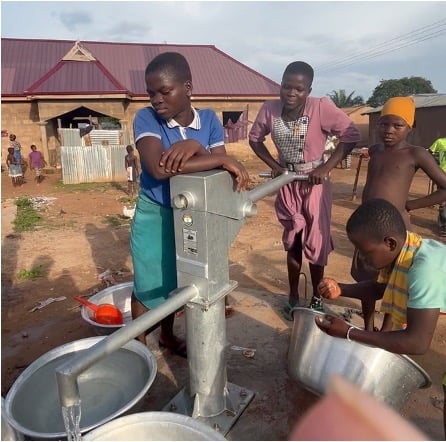
In Wechiau-Bao, the community had to compete for water with the school community, which made learning and teaching difficult. Some students don’t report to class or they arrive late.
In addition to the community fighting for water, young believers are fighting to live the Christian life in the midst of Traditionalist religion. Pastor Philip Zintere, who has been a part of our trainings, supports the faith and fellowship of these young believers.
By providing a quality hand pump, the love of Christ can be demonstrated to the community, bearing witness to the faith of the young believers in Wechiau-Bao. We hope that by taking away the burden of searching for water and seeing a decrease in illnesses, we will be able to share about Jesus bringing healing and taking away our burdens in the community.
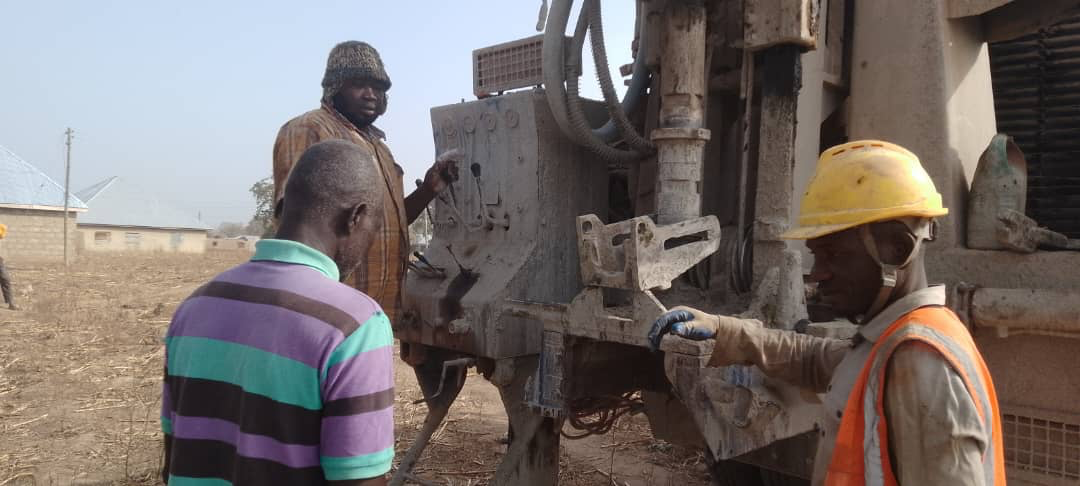
Pastor Philip praying before we began to drill for water.
Our Coach Barnabas is faithful to sharing the message of the gospel with the Tampuoro community. Our ministry here started in 2025, and focuses on teaching the fundamental truths of the word of God. The community is focused on demonstrating love to another in time of need.
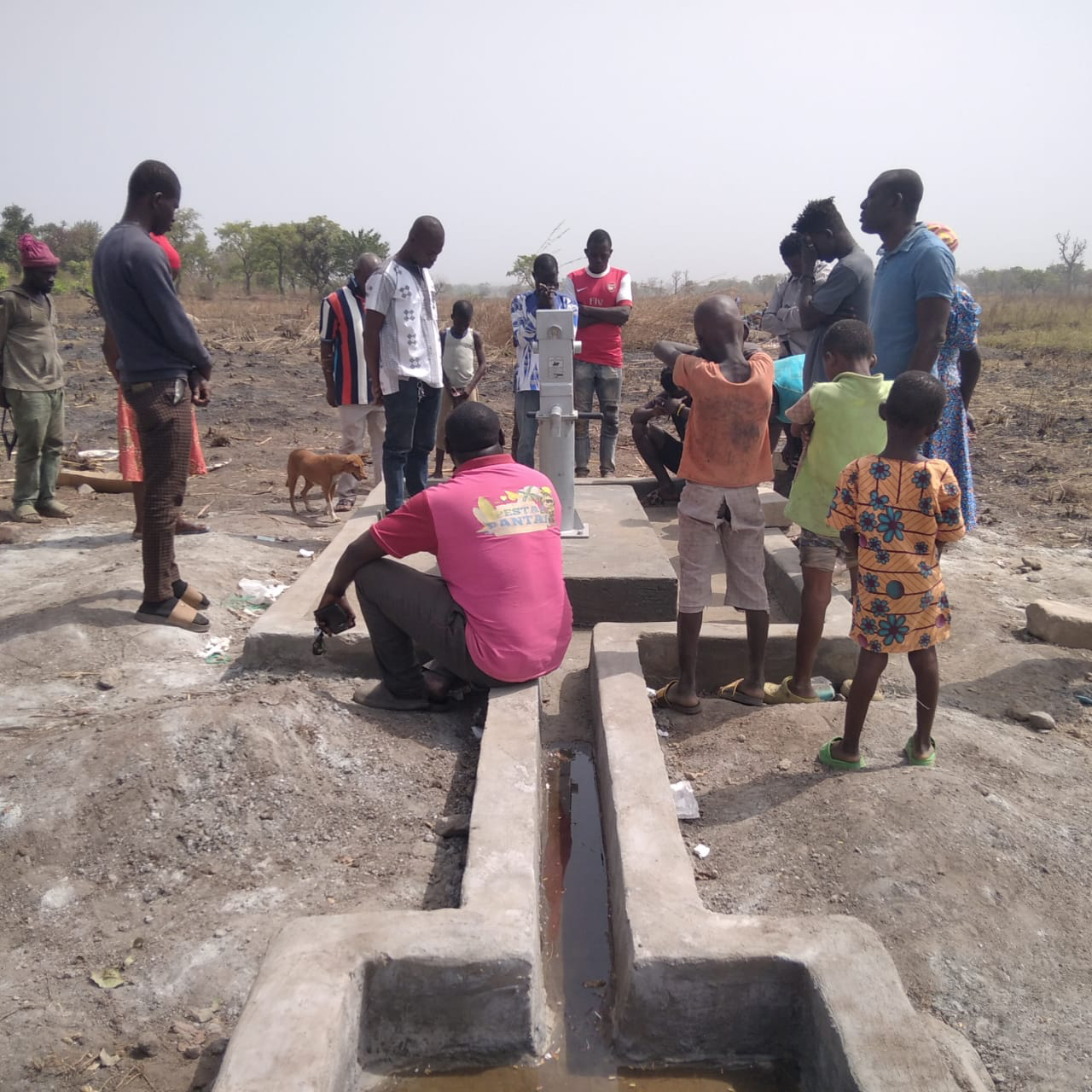
The water in Tampuoro causes the people to suffer from typhoid, dysentery, and other related illnesses. The contaminated water is even affecting their teeth! By providing clean water, the community has experienced what it means to receive God’s love from another in a time of need. We pray that this borehole will not only provide clean water, but remind them of the Living Water that meets all their needs. We pray that this will be a reminder for the people of Tampuoro to go out and meet the needs of other communities in Wa.
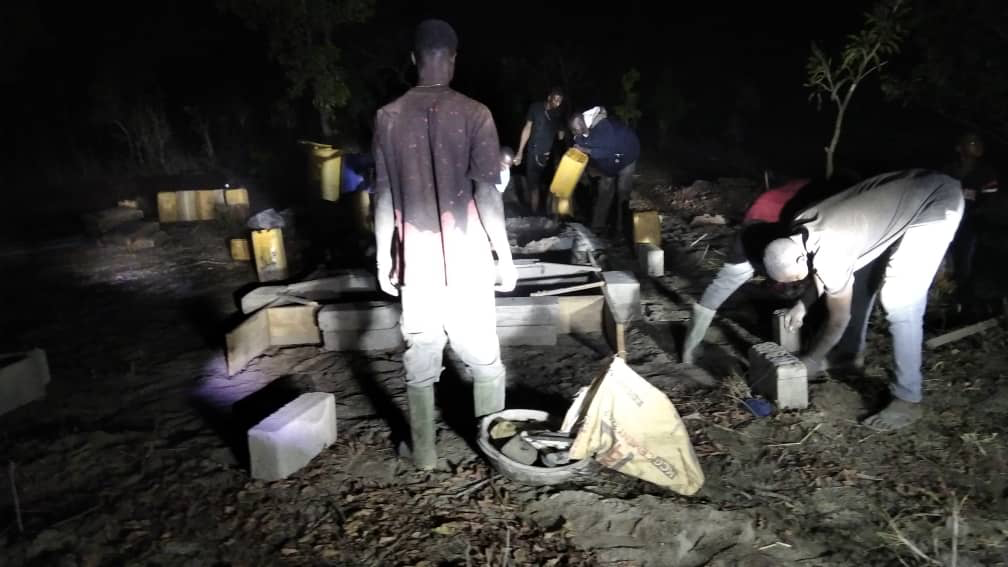
In Teme, the community has to get water from the Black Volta - the river that runs around Ghana’s west border. To avoid arguments, women often travel at midnight to get water. Lack of access to clean water also negatively impacts children going to school on time. The community worked with our team through the night to complete the drilling and other work needed for the borehole. Most of the youth in this community are Christians, and Lord willing, we will be able to hold a Basic Training here soon!
As a result of our water project, the chief of Teme responded to the Gospel message by giving his life to Christ!
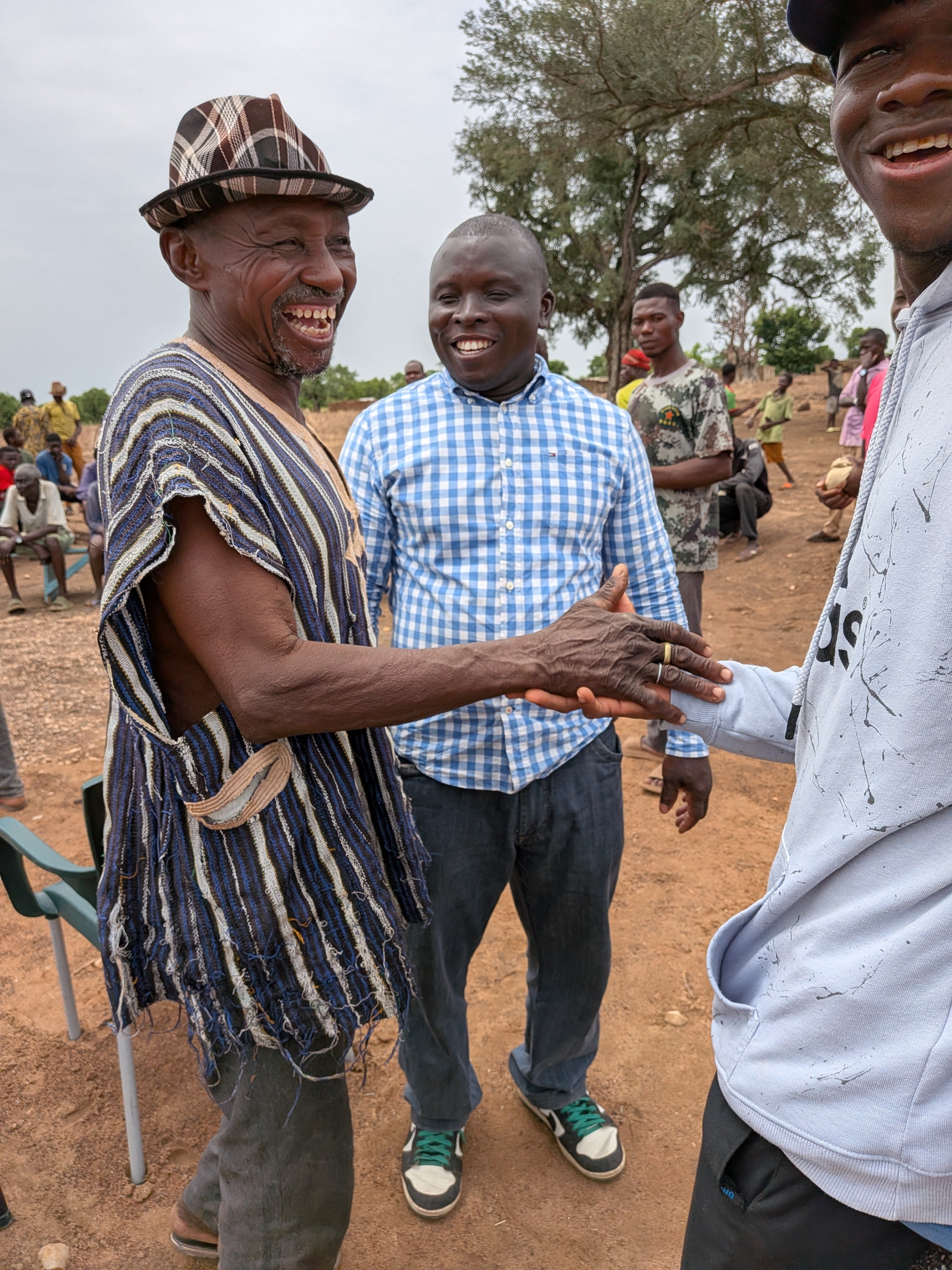
The Christian community in Darebaateng travel to the believers in Weichau-Bao for fellowship and encouragement. The people in Barebaateng also have to travel a long distance for water, or have to go to the local dam, where other animals also use the water.
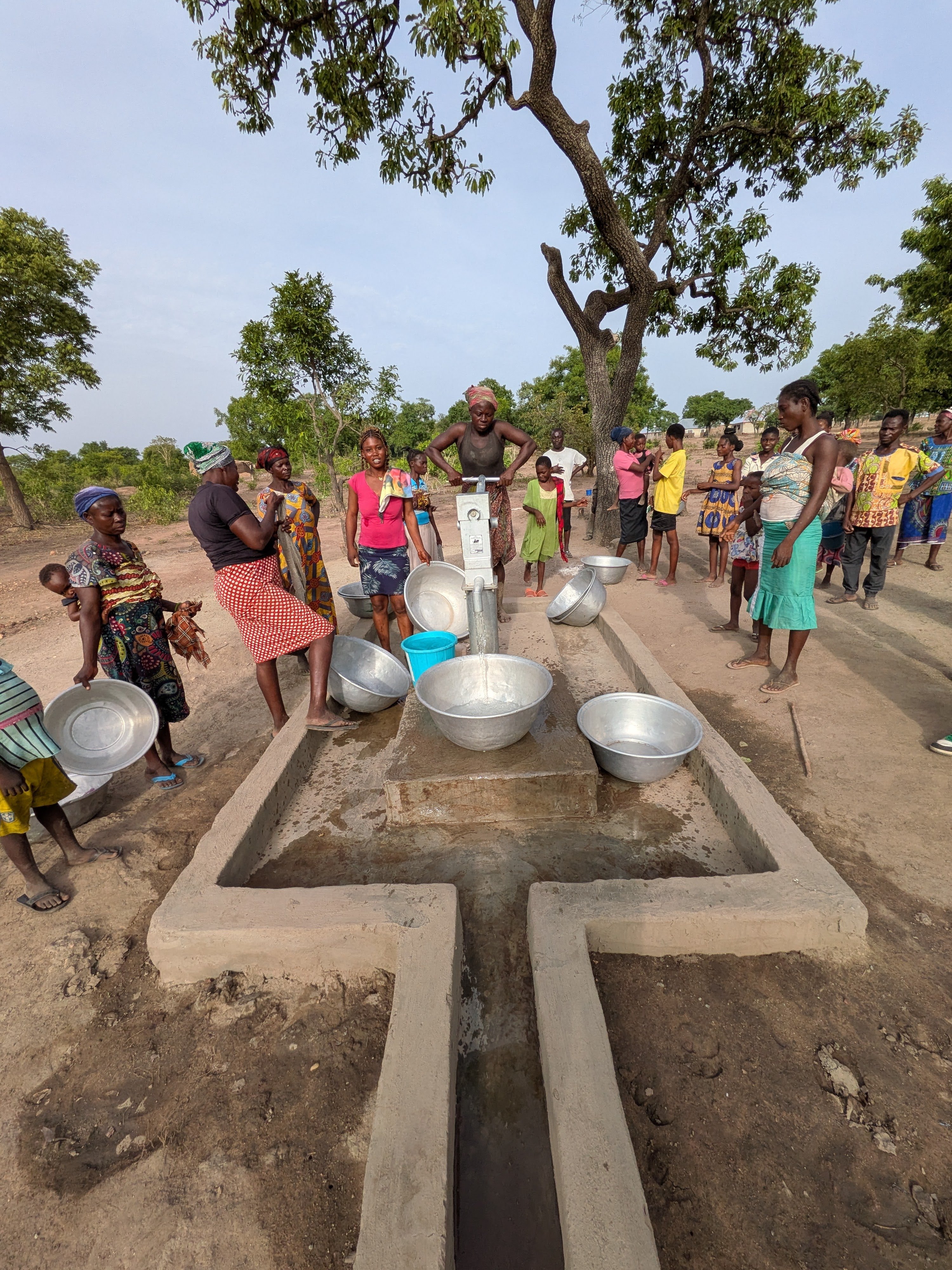
By providing clean water, water borne illnesses are reduced, the community is safer, and the community can point to the access to clean water as a reminder of their access to the Living Water.
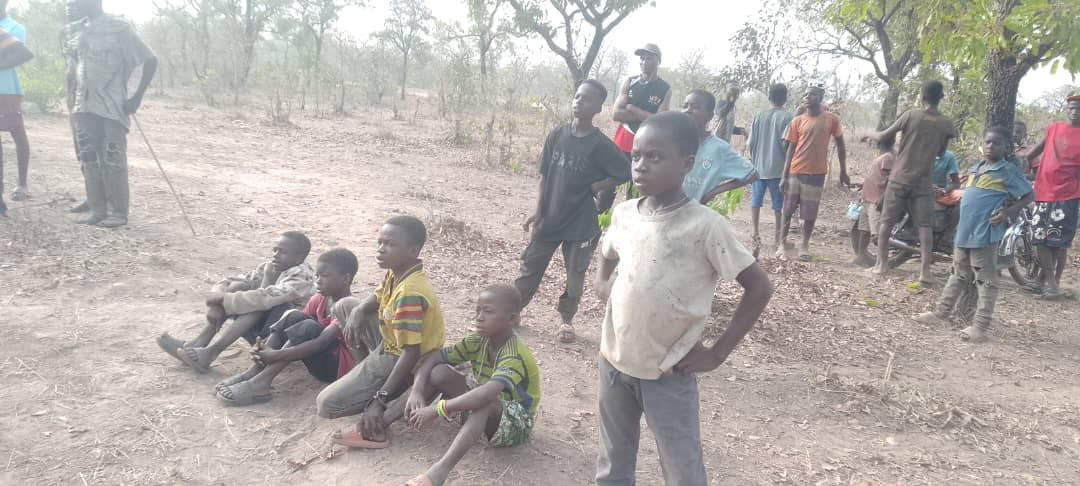
Children in Darebaateng who brought rocks to contribute
Tahimayili Vocational Training Institute (TaVTI) is a community focused Technical and Vocational Education and Training (TVET) center that is equipping vulnerable rural young men and women with the technical competencies they need to build sustainable livelihoods. Previously, the institute was forces to purchase water regularly to meet basic needs. This reliance on purchased water has significantly increased operational costs and places a heavy financial strain on the institution, diverting resources from other critical areas such as teaching materials, equipment and staff development.
Clean water improves:
- Public Health
- Sanitation
- School Attendance
- Quality of training/resources
The mechanized water system will also serve the church community located within the institute, which regularly hosts weekly worship services, seminars and conferences that attract participants from the surrounding communities.
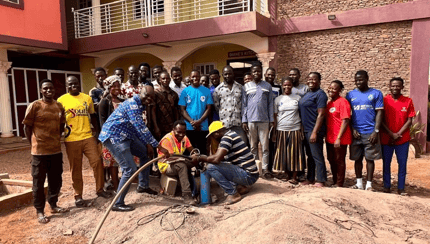
80% of the community depends on the dam or other unsafe bodies of water. This water project will provide safe and clean water to about 90 households. Lentinkpa is predominantly traditional religion mixed with Islam. We pray that this source of clean water will point our Fulani brothers and sisters to the Living Water.
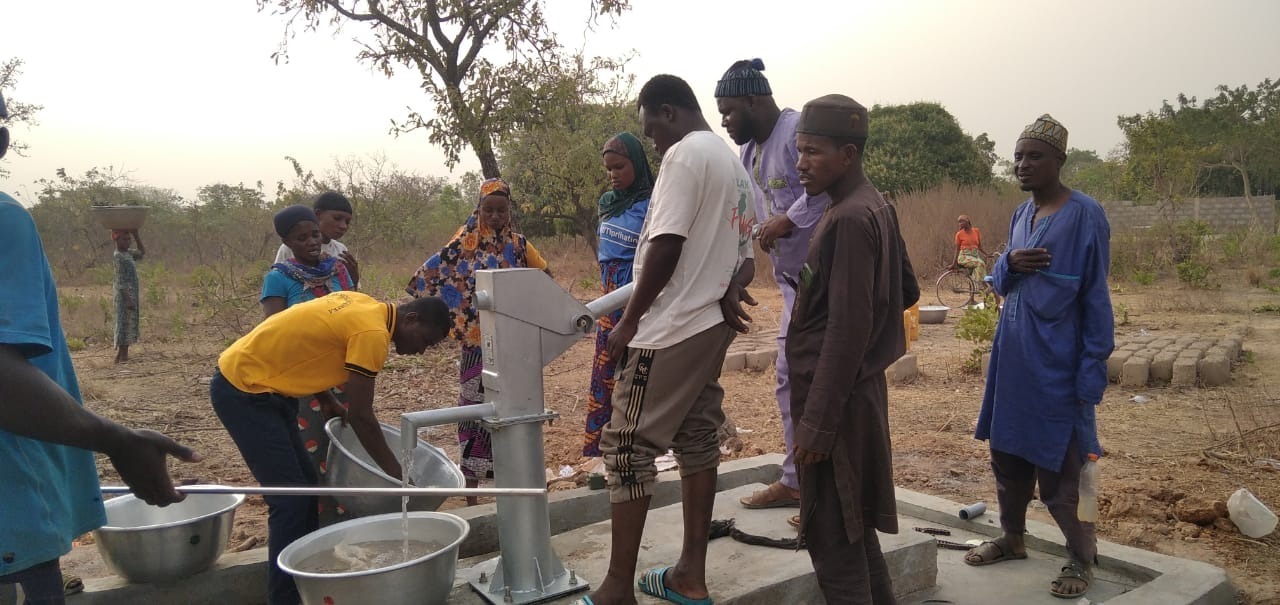
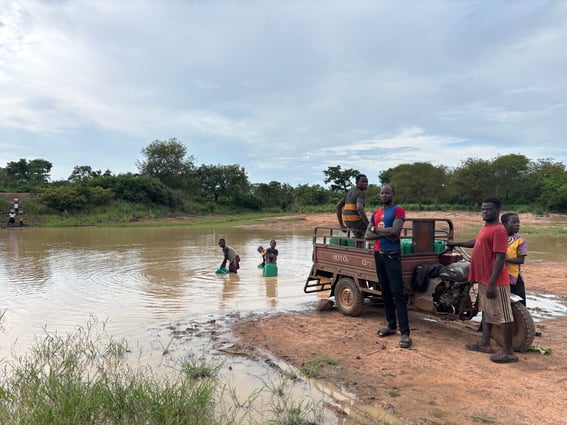
The community previously depended on only one dam as their source of water. During the dry season, the dam becomes stagnant and unsafe for use. The same water source is shared with cattle, sheep, and goats, which increases the risk of water contamination and waterborne diseases. In the dry season, the water supply reduces drastically, forcing community members to travel more than 4 km to Kuwani to fetch water.
This supply of water challenged:
- Health
- Productivity
- Women's safety
- Access to education for children
- Overall quality of life
The men in Kulpe refused to go to farm because of the projects. This is a significant demonstration of priorities, since within an agricultural society, you would not want to give up a day of farming since it may result in less food throughout the harvest. Meanwhile, women and children also provided raw materials for the water project.
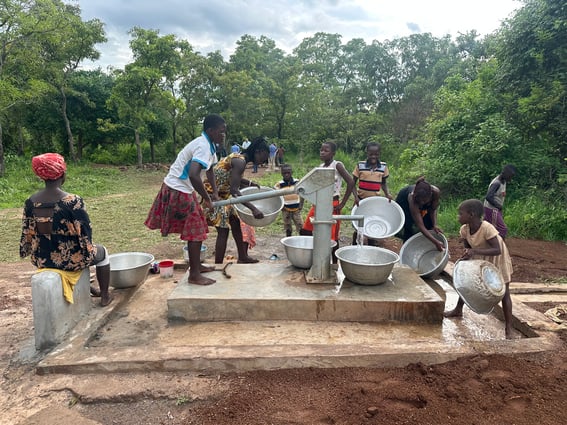
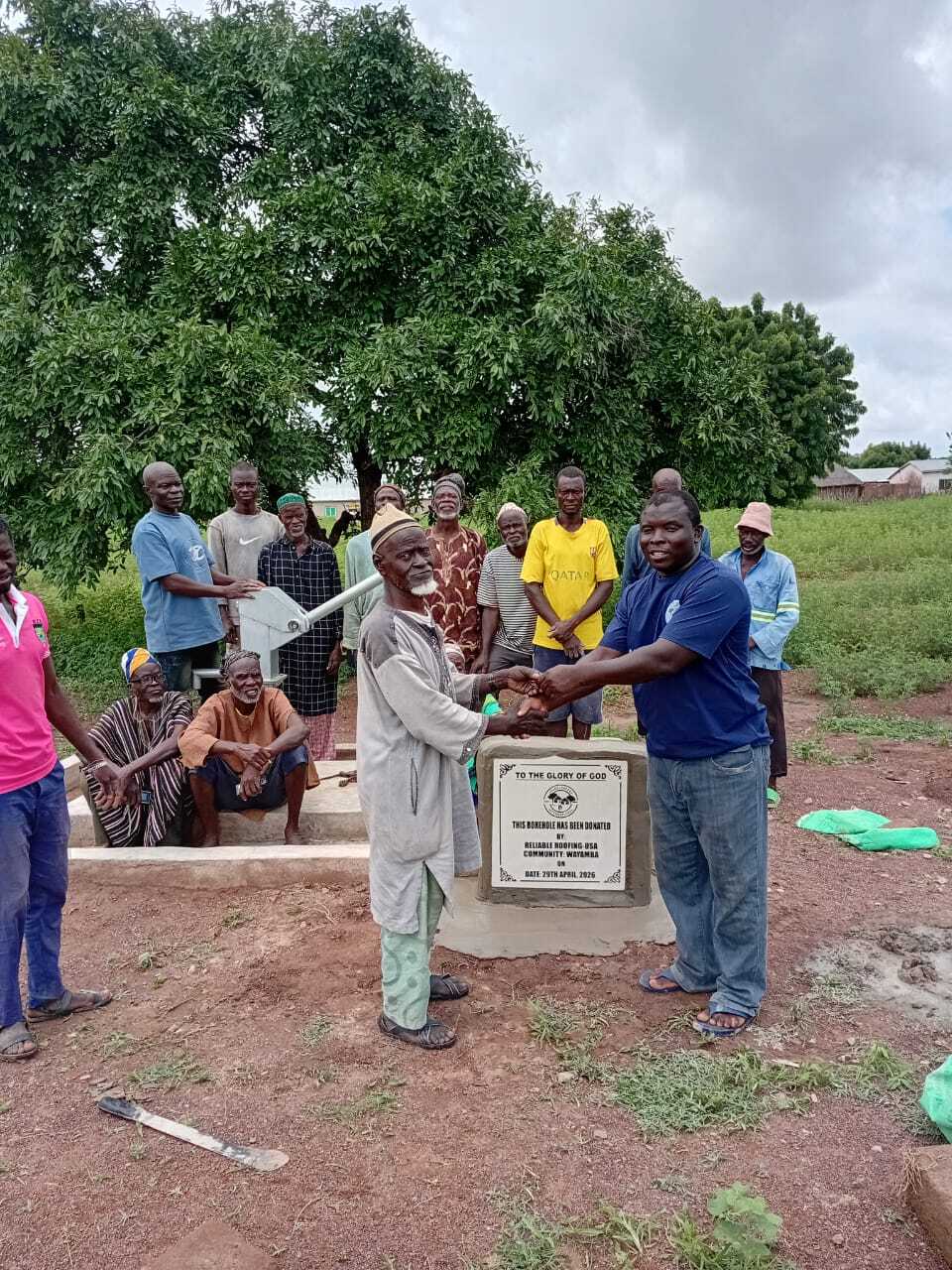
In Wayamba, the community of 1056 relies on one borehole and one small river that dries up in February, during the dry season. Water scarcity has affected learners and business women in the community. Students have to go for water far away places which leads to lateness in school, and women are unable to put full focus towards their businesses.
Currently, the total Christian population is over sixty (60) in the community, and we hope this water project will be a community testimony to God's love and provision.
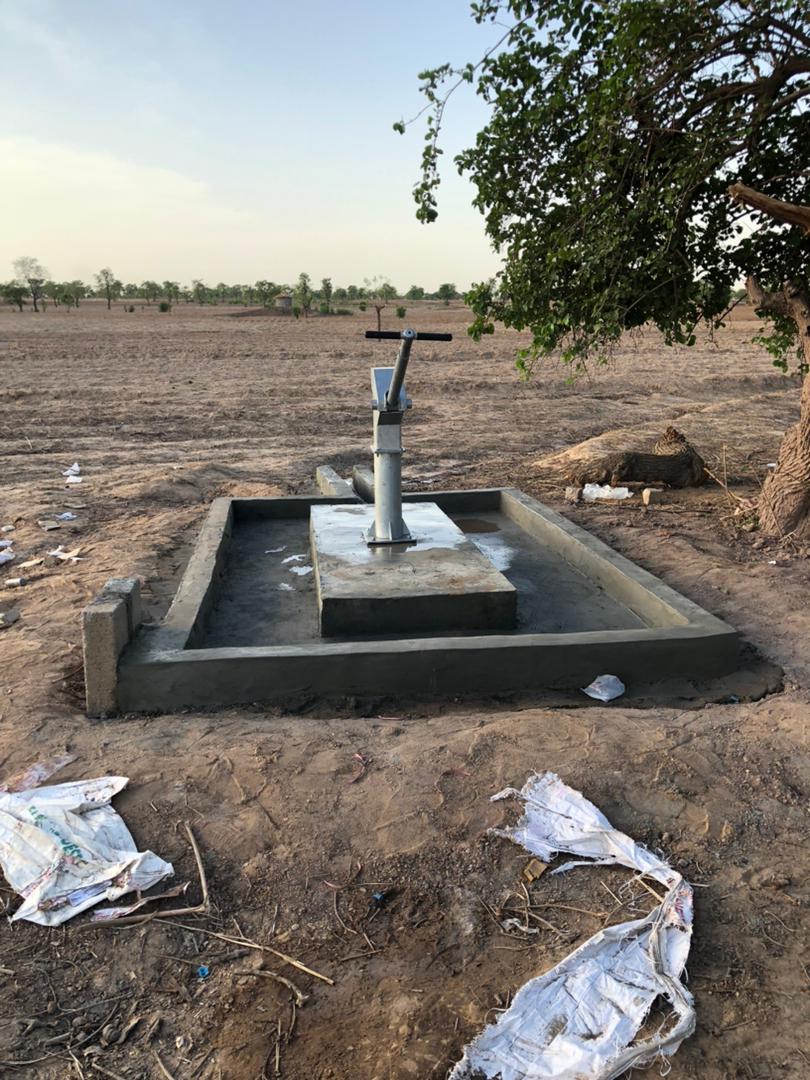
The people in Gizaa-Gundaa have access to water through only one dam that is drying and one borehole. This is not enough water to support a community of 1,500! We have installed this water project and hope that it provides a way for the Christians to reach out to the non-Christians in the comunity.
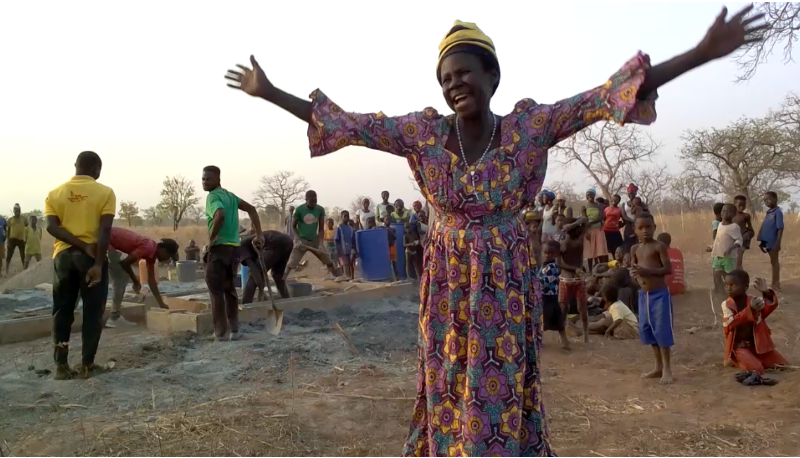
One of the women shared that during the past, they used to have to wait in line for five hours to fill just one bucket of water. This was a heavy burden on the women, but also the children who would have to wake up and get water before school. Now, the water is clsoer to the community and will not lose precious time waiting for water. The woman’s testimony and gratitude was following by cheering from the rest of the women in the community.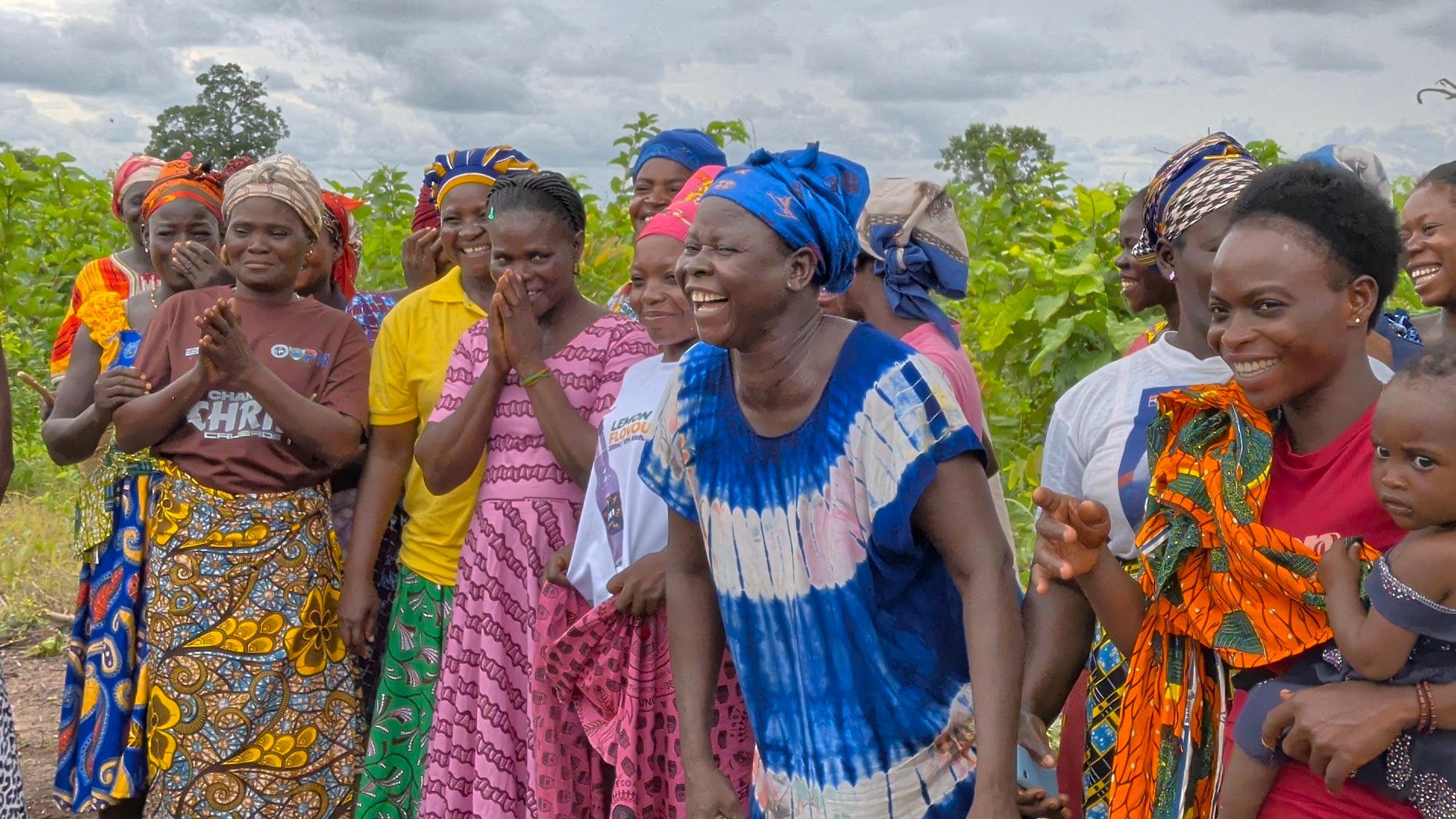
Kimoateek is a community that we have visited before, and we anticipate holding a basic training here soon. Another community member shared that there had been problems trying to organize Christian fellowship, but access to clean water opened the door for God’s work to be done in Kimoateek!
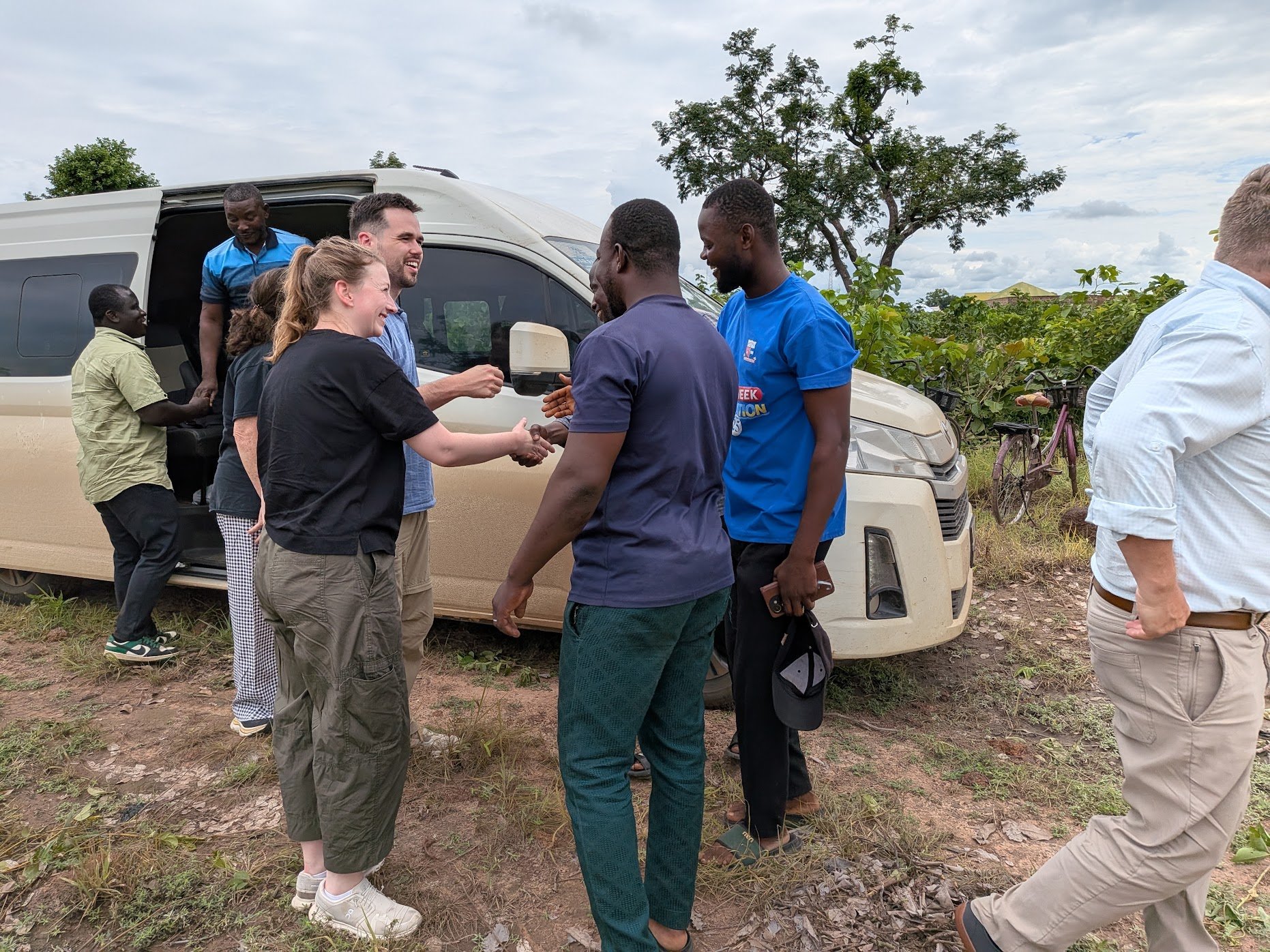
Piisi is a community under the Wa Municipal Assembly, it has scarcity of water as the community depends on two main boreholes that flows and the others are seasonal and some have no water flowing at all. Women in the community has to travel a far distance before they can access water.
The community has a Church that is centered on disciple making and church planting, members are discipled and taught on holding firm to their faith and living an exemplary life for the community. The church has planted three churches and currently on preparations to make one of the fellowship an independent church. The Ministry is lead by Rev. Emmanuel Yamuha.
This is a 4-plot land located on the Salaga-Tamale road, behind Royal Savannah Lodge. This area is a new settlement, and the few residents there do not have any good source of water for use.
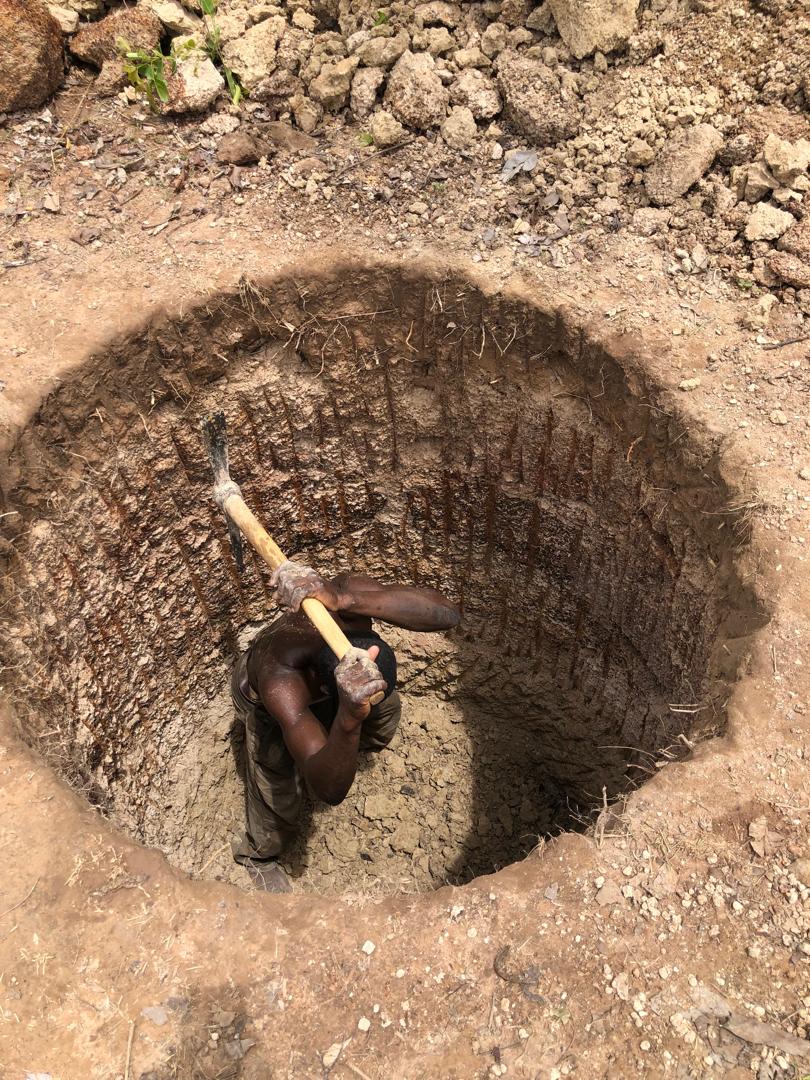
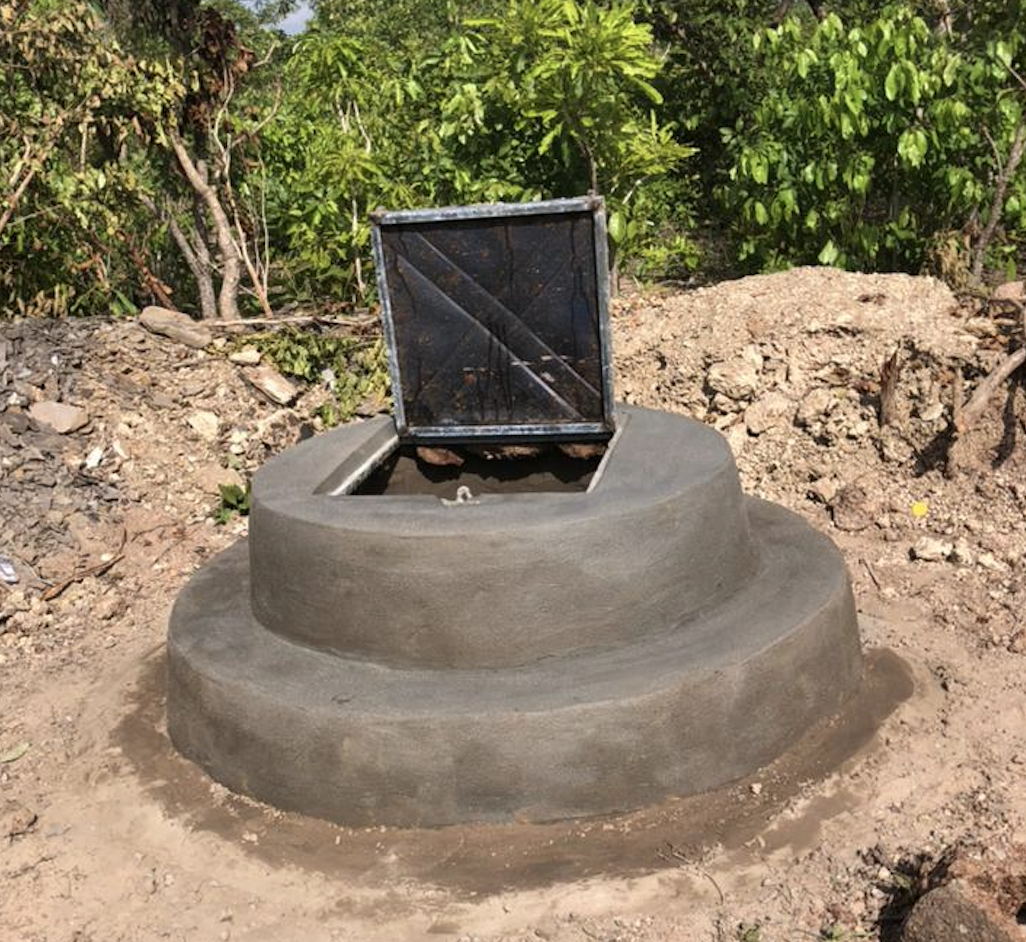
Hand dug wells are dug during the dry season and then in the rainy season they fill up. They usually do not run dry during the subsequent dry seasons. To learn more about how these wells operate, you can hear from David, our water contractor.